
Immediate Protection When the Roof Gives Way
Emergency Tarping and Securing in Clark County for roofs suddenly compromised by storm damage or structural failure
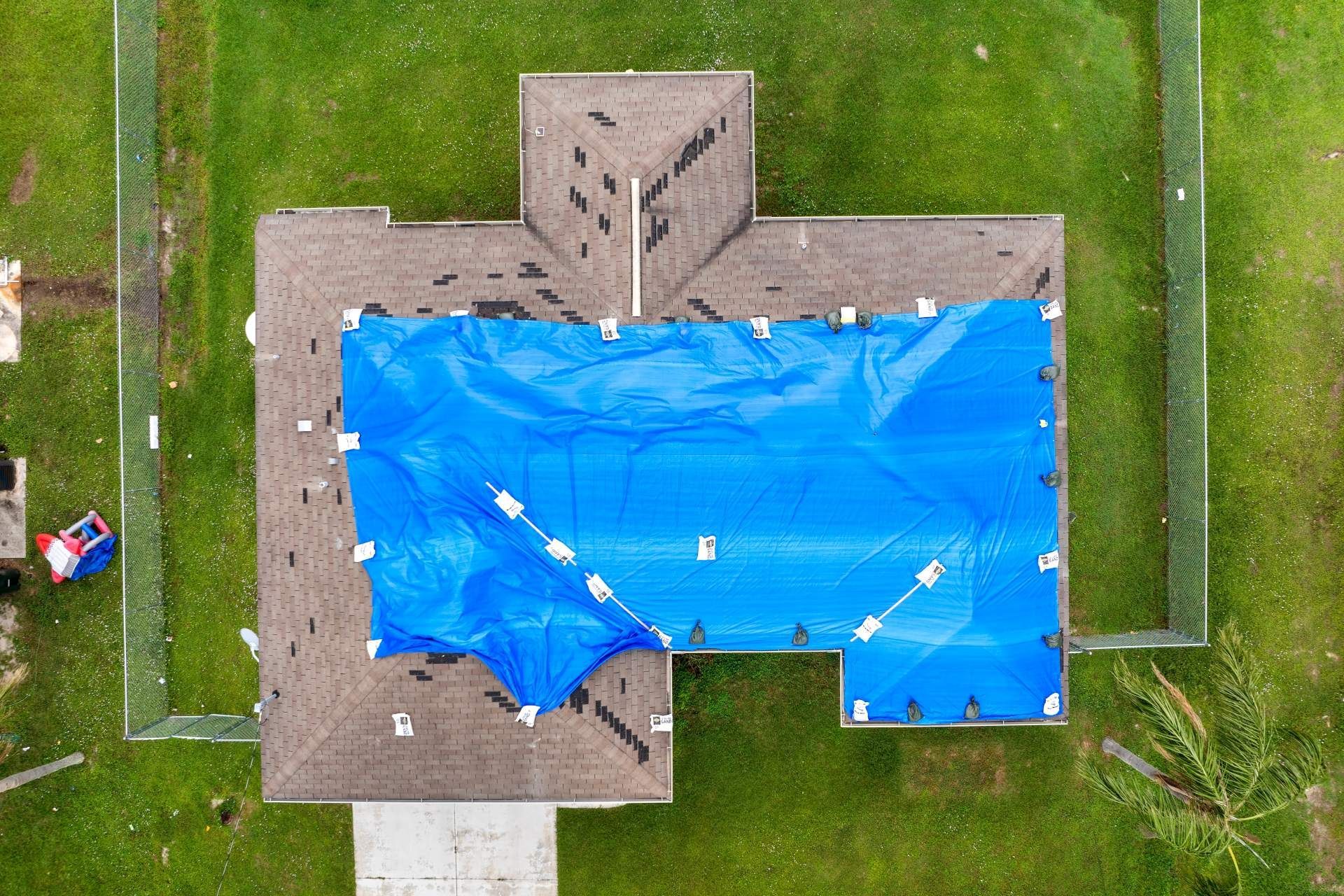
Cornerstone Home Improvement provides emergency tarping and securing when your roof has been breached by fallen trees, severe wind, or sudden material failure and you need immediate protection before permanent repairs can be arranged. You're facing an open section of roof that exposes the interior to rain, wind, and further damage, and waiting for full repair scheduling isn't an option. This service involves rapid deployment of heavy-duty tarps, securement with fasteners or weights that won't cause additional damage, and temporary sealing of exposed areas to keep water out until restoration work begins.
Technicians assess the damaged area to determine the tarp size and securement method needed, then install reinforced polyethylene or woven tarps that resist tearing and UV breakdown. Fastening methods depend on the roof type and the extent of damage; wood decking accepts screws with large washers or batten strips, while metal or membrane roofs require weighted perimeter securement that avoids penetrating intact sections. The tarp extends beyond the damaged zone and overlaps existing roofing to channel water away from the breach. In Clark County and the greater Louisville area, emergency response often follows spring storms or winter ice events that drop limbs or tear away roofing sections.
If your roof has been suddenly compromised and you need to protect your home from further weather exposure, contact the team for emergency tarping that stabilizes the situation while repair plans are developed.
What Tarping Accomplishes Until Permanent Work Begins
You'll see that rain no longer enters the home through the damaged section, that interior ceilings and walls stay dry during storms, and that the temporary covering remains secure even in moderate winds. The tarp acts as a weatherproof barrier, preventing water intrusion that would saturate insulation, damage framing, and promote mold growth. Immediate protection reduces the total cost of restoration by limiting secondary damage to interior finishes, electrical systems, and stored belongings.
Cornerstone Home Improvement sizes tarps to cover the affected area plus a margin that ensures overlapping coverage. Technicians secure edges with fasteners spaced to resist wind uplift, and they inspect the installation after severe weather to confirm the tarp remains intact. The service provides short-term stability, not a permanent fix, and scheduling permanent repairs promptly prevents the tarp from degrading or coming loose during extended exposure. After tarping, you'll have time to coordinate insurance, obtain estimates, and arrange for full restoration without ongoing water damage.
The work includes tarp installation, securement, and initial inspection of the damaged area to inform repair planning. It does not include structural framing repair, debris removal beyond what's necessary for tarp placement, or interior restoration. Technicians communicate what they observe during tarping so you understand the scope of permanent work needed.
What Homeowners Need to Know During Emergencies
Property owners often ask how quickly tarping can be arranged, how long tarps remain effective, and what steps follow the emergency response.
How fast can emergency tarping be deployed after roof failure?
Response time depends on crew availability and weather conditions, but emergency calls receive priority scheduling, often within hours of contact, to minimize interior exposure.
What size tarp is needed for storm damage?
Tarp size depends on the damaged area plus overlap onto intact roofing, typically extending two feet beyond the breach in all directions to ensure water channels away from the opening.
How long will an emergency tarp protect the roof?
Heavy-duty tarps remain effective for weeks to a few months, but prolonged exposure to sun and wind degrades the material, so scheduling permanent repairs promptly prevents tarp failure and renewed leaks.
Will tarping cause additional damage to the roof in Clark County?
Proper installation uses fastening methods appropriate to the roof type and minimizes penetrations, and technicians avoid placing fasteners in areas that will remain part of the finished roof after repairs.
What happens after the tarp is installed?
Homeowners should document the damage for insurance, schedule a full roof inspection to assess repair scope, and arrange for permanent restoration before the tarp deteriorates or weather conditions worsen.
When sudden roof failure leaves your home vulnerable, Cornerstone Home Improvement delivers emergency tarping that stops further damage and provides time to plan permanent repairs. Reach out immediately if your roof has been compromised and you need rapid protection from the weather.