Roof Systems That Hold Up When Business Can't Stop
Commercial Roof Replacements in Clark County for roofing systems that no longer respond to repairs
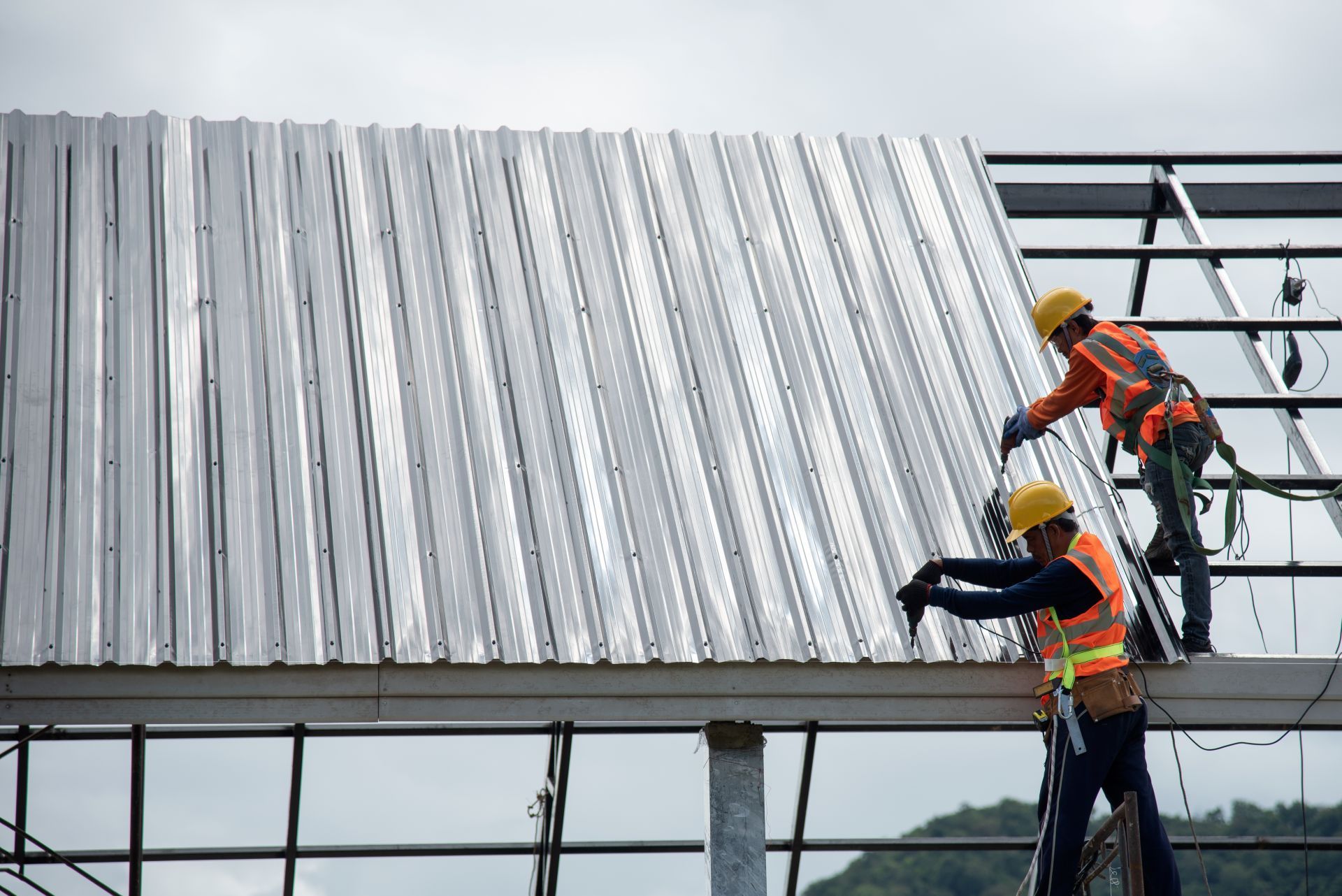
Cornerstone Home Improvement performs commercial roof replacements when patching and sealing stop working and the roofing system itself has aged beyond reliable use. You're dealing with a roof that has outlasted its intended life, and each storm leaves you wondering whether water will move through seams, pooling areas, or weakened membrane sections. This service involves removing the failed roofing material down to the deck, inspecting the substrate, and installing a complete roofing system designed to match your building's use and load requirements.
The removal stage clears away damaged or saturated layers that can no longer shed water or support new materials. Installers examine the underlying deck for deterioration, treat or replace sections as needed, and install insulation layers and new roofing that meet current waterproofing and energy performance standards. Commercial roofs in Clark County and the greater Louisville area face temperature swings, heavy rain, and occasional hail, and the replacement system must account for expansion, drainage slope, and fastener schedules that prevent uplift during windstorms.
If your current roof shows widespread cracking, ponding water that doesn't drain within forty-eight hours, or interior stains that reappear after each rain, reach out to discuss whether replacement makes more sense than ongoing repair.
What Changes After Installation Completes
You'll notice that water no longer collects in low spots and that seams remain sealed even after sustained downpours. The new roofing surface sheds precipitation quickly, and interior ceilings stay dry during storms that previously caused leaks. Modern single-ply membranes or built-up roofing systems use heat-welded seams or layered asphalt and reinforcement that form continuous waterproof barriers, eliminating the vulnerability of aged adhesive or brittle material.
Cornerstone Home Improvement selects materials based on your building's roof pitch, parapet height, HVAC placement, and expected foot traffic for maintenance access. Reflective membranes reduce cooling load during summer months, and improved insulation layers stabilize indoor temperature. After installation, you'll see fewer service calls for HVAC units working harder to compensate for heat transfer, and your building envelope performs the way engineering standards intend.
The work includes flashing integration at curbs, vents, and edges, plus new edge metal and drainage components that guide water into scuppers or internal drains. Installers coordinate with your business schedule to minimize disruption, and phased installation protects sections of the building while work progresses. This service does not include structural framing repair beyond decking, and it assumes existing drainage systems function correctly once new roofing restores proper slope.
Questions Property Managers Ask Before Scheduling
Building owners often want to know how long the installation takes, what materials suit their operation, and whether the work interrupts daily business activity.
How long does a commercial roof replacement take?
Most projects require one to three weeks depending on building size, weather conditions, and roofing system complexity, with installers coordinating phases to keep portions of the roof protected throughout the process.
What roofing material works best for flat or low-slope commercial buildings?
TPO, EPDM, and modified bitumen systems each offer different benefits in terms of reflectivity, puncture resistance, and seam strength, and your choice depends on roof traffic, climate exposure, and budget.
Will the installation disrupt business operations inside the building?
Roof work generates noise during tear-off and fastening, but scheduling phases during off-hours or slower business periods reduces impact, and tarping protects open sections overnight or during rain.
How does a replacement improve energy efficiency compared to the old roof?
New insulation layers and reflective membranes reduce heat gain in summer and heat loss in winter, lowering HVAC runtime and stabilizing interior temperature across different areas of the building.
What happens if rain arrives during the installation in Clark County?
Installers monitor forecasts closely, complete waterproofing stages before predicted rain, and deploy temporary coverings to protect exposed deck sections until the next phase begins.
When your roof no longer protects inventory, equipment, or daily operations reliably, Cornerstone Home Improvement provides replacement systems that restore building performance and reduce the ongoing cost of emergency repairs. Contact the team to schedule an evaluation and review material options suited to your building type.